EDT, EDP or parfum — what you are actually paying for

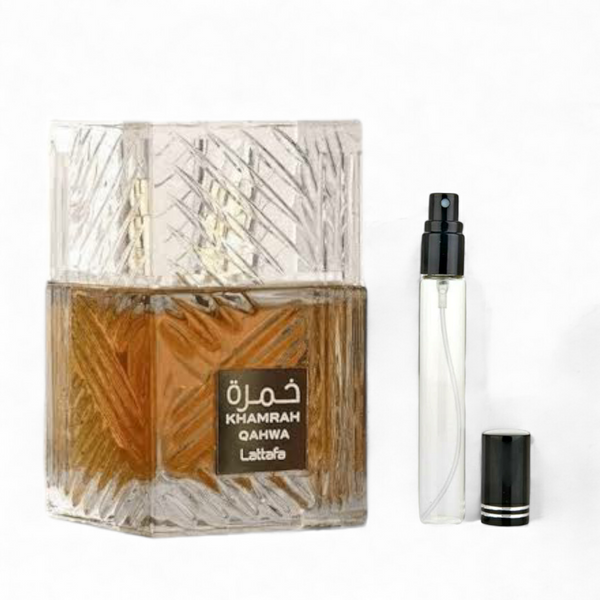
Two bottles of the same fragrance, same size, and one costs almost double. Nothing has gone wrong. You are looking at two different concentrations, and the letters on the box tell you which is which.
What the letters mean
Every fragrance is perfume oil dissolved in alcohol. The concentration is the percentage of oil in that mix, and it is the single biggest factor in how a scent behaves on skin.
- Eau de Cologne (EDC) — roughly 2–5% oil. Light, bright, gone in an hour or two.
- Eau de Toilette (EDT) — roughly 5–15%. The most common concentration. Three to five hours, projects well early, settles close.
- Eau de Parfum (EDP) — roughly 15–20%. Five to eight hours, richer, and the base notes come through properly.
- Parfum / Extrait — 20–30% and up. Eight hours or more, sits very close to the skin, and usually costs the most per millilitre by some distance.
Stronger is not the same as better
This is where most people go wrong. A higher concentration is not a better version of the same smell — it is often a different smell.
Perfumers rebalance a composition when they reformulate it at another concentration. The EDP of a fragrance frequently has more of the heavy base — amber, woods, vanilla, musk — while the EDT leans on the bright top. That is why people who love the EDT of a scent sometimes dislike the EDP, and why it is worth smelling both rather than assuming the expensive one wins.
Which one suits this climate
Heat amplifies fragrance. A scent that is pleasant at 20°C can be overwhelming at 40°C, because your skin is warmer, you are perspiring, and both accelerate evaporation of the top notes and push the base outward.
In practice, for daytime in a Pakistani summer: an EDT is usually the smarter buy. It projects enough without filling a room, and if it fades by mid-afternoon that is what a small decant or a second spray is for.
Save the EDP and parfum concentrations for evenings, air-conditioned offices, and winter — when the extra weight has room to sit rather than shouting.
The value question
Per millilitre, parfum costs more than EDP, which costs more than EDT. But the useful comparison is cost per wear, and that is closer than the sticker suggests: you need fewer sprays of a higher concentration to get the same presence and duration.
A rough rule that holds up: two sprays of EDP do the work of three or four of the EDT. If a 100ml EDP costs 60% more than the 100ml EDT, it is arguably the cheaper bottle over its life.
What to check before you buy
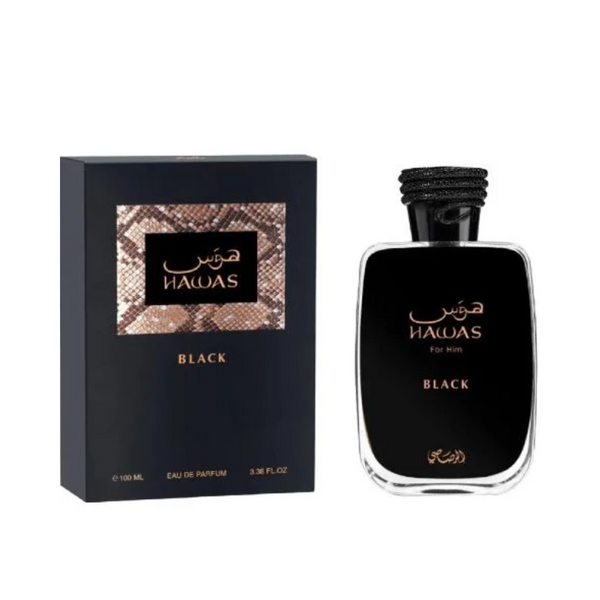
The concentration is always printed on the box and almost always on the bottle. If a listing does not say, ask before ordering — the difference between an EDT and an EDP is real money, and a seller who will not state it plainly is a seller to avoid.
Also check the size. "100ml" and "3.4 fl oz" are the same bottle; "3.3 fl oz" is 100ml too. But a 30ml travel size at a suspiciously good price is not a bargain against a 100ml — it is a smaller bottle.
Browse the range — every listing states the concentration and the size, and if anything is unclear, message us and ask.