How to store fragrance so it does not turn

A fragrance does not have an expiry date the way food does, but it does have a shelf life, and heat is the single biggest thing that shortens it. In a climate that spends several months a year above 38°C, a bottle kept in the wrong spot in your room can smell noticeably different — flatter, sharper, sometimes slightly sour — within a single summer. This has nothing to do with how the bottle was made or where it came from. It is what heat, light, and air do to perfume oil over time, and it happens to genuine and replica alike.
What actually damages a fragrance
Three things degrade the oil inside a bottle: heat, direct light — sunlight through glass is worse than plain heat — and repeated exposure to air. Humidity swings and rapid temperature changes, a bottle that gets warm through the day and cold at night, accelerate all three. None of these need to be extreme to do damage over months; a warm windowsill is enough on its own.
The dressing table by the window is the worst spot in most houses
It looks good in a photograph, and it is exactly the wrong place. A bottle sitting in direct or even indirect daylight for several hours a day, in a room that heats up through the afternoon, is being slowly cooked. If your bottles currently live somewhere that catches sun for any part of the day, that is the first thing to change, regardless of anything else in this article.
The bathroom is the second worst spot
It feels like the natural place, since it is where you get dressed, but a bathroom used for hot showers goes through a bigger daily swing in both heat and humidity than almost any other room in the house. That swing is harder on the oil than a steady warm room would be. If storage space allows it, keep fragrance in the bedroom rather than the bathroom, even if it means one extra step in your routine.
What good storage actually looks like
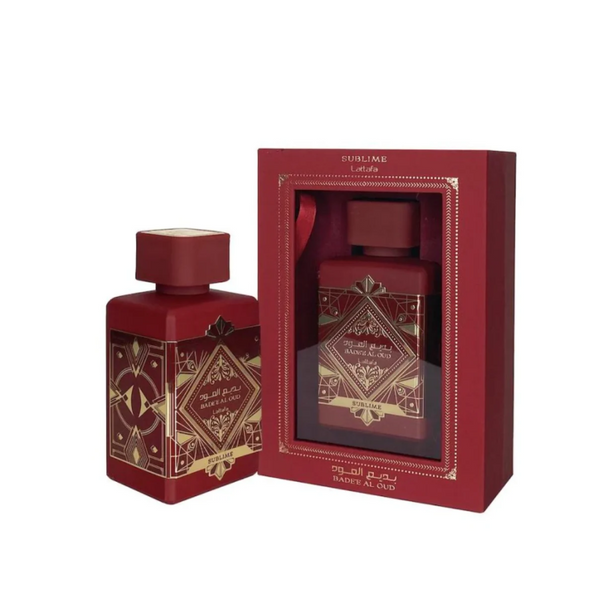
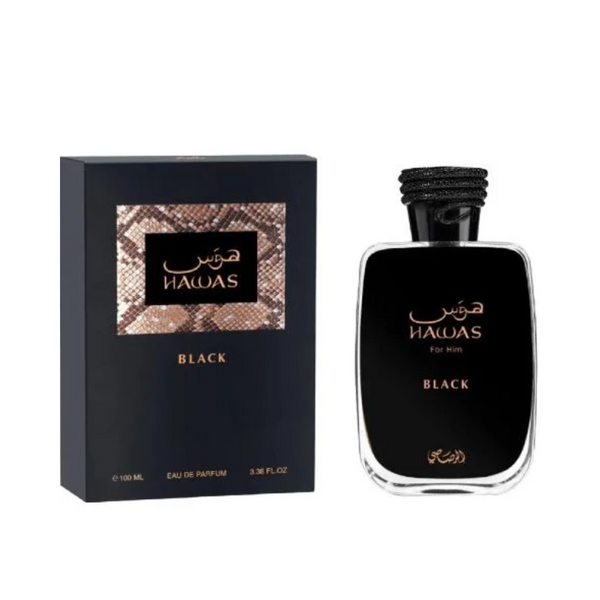
- Keep the original box. Cardboard blocks light almost completely, and it is the single cheapest protection you have. A bottle kept in its box will outlast an identical bottle left bare on a shelf.
- Choose a cupboard or drawer over open display. Out of light entirely beats an attractive shelf every time. A closed wardrobe shelf is close to ideal.
- Pick the coolest stable room, not the coldest moment. A room that stays around 28-30°C steadily is better than one that swings between air-conditioned cold and un-cooled heat over the course of a day.
- Keep the cap on, always. Every spray lets a little air into the bottle, and air is what oxidises the oil over time. A cap left off, even briefly, adds up.
- Store bottles upright. Lying a bottle on its side keeps liquid in constant contact with the cap and atomiser seals, which can degrade them faster and occasionally cause leaks.
Do not put fragrance in the fridge
It sounds like a clever workaround for heat, and it is not. Repeated trips between cold fridge air and warm room air create exactly the condensation and temperature cycling that damages a fragrance fastest. A stable room-temperature cupboard away from light beats a fridge every time.
The car is worse than all of it
A glovebox or door pocket in a parked car in a Lahore summer can reach temperatures well above anything a room in your house ever will. If you carry a travel size for touch-ups, take it inside with you rather than leaving it in the car between uses, even for a single afternoon.
How to tell if a bottle has already turned
Colour is often the first sign — a fragrance that has darkened noticeably compared with when you bought it, especially in a lighter-coloured juice, has usually taken heat or light damage. The smell itself will drift too: top notes disappear early, the whole thing can smell flatter or slightly vinegary, and it will not build the way it used to on skin. None of this is dangerous to wear, but it is not what you paid for.
The part we would rather you heard from us than found out the hard way
Our fifteen-day return window covers a fragrance arriving faulty or not as described — it does not cover a bottle that has turned because it sat on a sunny windowsill for a month after it reached you. That is not us dodging responsibility; it is genuinely outside what any seller can control once a bottle has left our hands. The honest advice, even though it means fewer bottles come back to us for any reason, is to sort out where a bottle will actually live before you buy it, not after.
See what is in stock, or message us on WhatsApp if you are not sure whether a bottle you already own has turned — we are happy to talk it through even if you did not buy it from us.